- Street-crime picture
- Serious crime against foreigners is relatively rare
- Common tourist problems
- Scams, petty theft and traffic
- Official-advice caveat
- Legal enforcement, exit bans and regional restrictions
- Solo travel
- Manageable with normal personal-safety precautions
- Emergency
- 110 police / 120 ambulance
01The honest overview
Current UK travel advice says serious crime against foreign nationals is relatively rare, while stressing that incidents still happen. Crowded stations, major sights and nightlife require the same practical awareness you would use in any large destination.
The caveat is that official safety advice looks beyond street crime. Current government advisories emphasise legal process, exit bans, arbitrary enforcement risk, regional restrictions and cyber/phone scams. For most visitors, the practical preparation still sits closer to wallets and crossings: financial scams, occasional pickpocketing, traffic, tap water and air quality.
02Risks at a glance
| Risk | Official signal | What to do |
|---|---|---|
| Serious crime | Relatively rare | Normal awareness; incidents can still happen |
| Pickpocketing | Petty crime occurs | Watch bags in crowded stations & markets |
| Scams | Known tourist risk | Know the tea-tasting, bar and massage script |
| Traffic | Road accidents are common | Look both ways; cross with the crowd |
| Tap water | May not be safe | Use sealed bottled, filtered or boiled water |
| Air quality | Varies | Check the AQI; carry a mask on bad days |
03Scams to know
Scams are far more likely to cost you money than crime is. The most effective ones use a friendly stranger, an apparent coincidence and gradual trust before the sting. The two to memorise:
- Tea-tasting, bar or massage scam — a friendly stranger invites you to a venue, which later demands a very large payment and may use threats. Current UK advice specifically warns about this pattern in popular tourist areas.
- Art or gallery invitation — the same social script can end with pressure to buy overpriced work. Decline invitations from strangers around major sights.
- Fake-monk donation — staged monks solicit donations or hand you a "blessing" bracelet, then demand payment. Real temples don't fundraise on the street.
- Taxi overcharge — insist on the meter, or book through DiDi so the ride is tracked and priced transparently.
- Phone scams — callers pose as police claiming you're under investigation and must transfer money. Never send money or share your passport over the phone; hang up and verify via the local PSB.
If a stranger approaches you unprompted in a tourist area with an offer that feels warm and spontaneous, it almost certainly isn't. Decline politely and walk on.
04Solo & women travellers
Solo travel in China is straightforward. High-speed rail, DiDi and mobile payments let you navigate independently without Mandarin, and translation apps (Pleco, Google Translate's camera mode) fill most gaps.
For women travelling alone, the transport system and app-booked rides make independent travel practical, but comparisons such as “safer than Europe” hide important differences and are not useful guarantees. UK advice says personal attacks and sexual assaults are rare but can happen, including through drink spiking. Keep drinks in sight, avoid isolated venues with new acquaintances, and share late-night ride details.
Prefer a tracked, app-booked ride to an unmarked or unmetered taxi late at night. Check the plate before boarding and share the trip with someone you trust; see the DiDi setup guide.
05Water, traffic & air
The risks most likely to actually affect your trip are mundane:
- Do not assume tap water is potable. Australian advice says it may not be safe; use sealed bottled, properly filtered or boiled water.
- Traffic is the real daily hazard. Cars, e-bikes and scooters move fast and don't always stop for crossings — look both ways and cross with the crowd.
- Check the air quality. AQI varies hugely by city and season; on bad days, a mask helps and indoor activities are wiser.
- Get travel insurance. Medical care for foreigners is good but can be expensive without cover.
06Emergency numbers
| Service | Number | Notes |
|---|---|---|
| Police | 110 | For immediate police assistance |
| Ambulance | 120 | Response times vary by city |
| Fire | 119 | Also for gas leaks & rescue |
| Immigration hotline | 12367 | Visa, entry/exit & passport issues; English option |
07Frequently asked questions
Is China safe to travel to in 2026?
Serious crime against foreign visitors is relatively rare, according to current UK travel advice, but incidents can happen. Official US and Australian advice also highlights arbitrary enforcement, exit bans and regional restrictions. For ordinary sightseeing trips, prepare for scams, petty theft in crowds, traffic, unsafe tap water and seasonal weather while also reading the advisory issued for your own passport.
Is China safe for tourists?
China is generally manageable for ordinary tourism, and UK advice says serious crime against foreign nationals is relatively rare. Petty crime, tourist scams, traffic incidents and isolated violent attacks can still occur, so use normal precautions and read current official advice before departure.
Is China safe for solo female travellers?
Many women travel independently in China, but no destination is risk-free. UK advice says personal attacks and sexual assaults are rare but can happen, including through drink spiking. Use tracked app-booked transport at night, keep drinks in sight, share your itinerary, and avoid following new acquaintances to private venues or unfamiliar bars.
What are the most common scams in China?
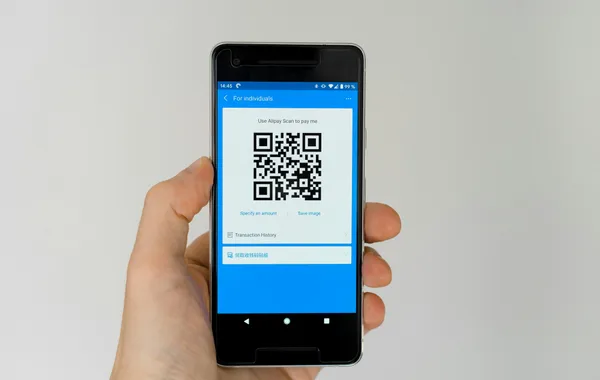
The best-known tourist-area script is the tea-tasting or massage scam: a friendly stranger invites you inside, then the venue demands a large payment and may use threats. Also watch for QR-code phishing, unmetered taxis and phone scammers impersonating police or an embassy. Never transfer money or disclose passport details because of an unsolicited call.
What are the emergency numbers in China?
Dial 110 for police, 120 for an ambulance and 119 for fire. Save your embassy or consulate’s emergency contact before travel. The National Immigration Administration’s 12367 hotline handles immigration and entry-exit questions.
Can I drink the tap water in China?
Official Australian advice says tap water may not be safe to drink. Use commercially bottled water with an intact seal, properly filtered water, or water brought to a rolling boil; do not assume hotel bathroom tap water is potable.
Safety audit date: 22 July 2026. The US page was last updated 12 March 2026; UK advice was current on 21 July; Australian advice was current on 21 July. Advisory levels can change quickly, so read the page issued for your own passport before departure.
- STATEUS State Department — China advisory covering increased caution, arbitrary enforcement risk, exit bans and regional permit caveats. travel.state.gov
- FCDOUK Foreign, Commonwealth & Development Office — travel advice for safety, laws, entry and regional restrictions. gov.uk
- DFATAustralian Smartraveller — China advice, including high-degree-of-caution wording and legal/security risks. smartraveller.gov.au