
- Intercity default
- High-speed rail under roughly five hours
- Long diagonals
- Domestic flights when rail burns the day
- Urban default
- Metro for predictable cross-city trips
- Door-to-door
- DiDi for luggage, late nights and awkward addresses
- Navigation
- Amap / Apple Maps beat Google at street level
01Mode chooser
Think in distance bands. Most confusion disappears once you separate intercity, within-city and door-to-door journeys.
| Trip type | Use first | Switch when... | Dedicated guide |
|---|---|---|---|
| City pair under ~5h by rail | High-speed train | Stations are far from your hotel | Train tickets |
| Cross-region diagonal | Domestic flight | Airport transfers erase the time saving | Itinerary pacing |
| Within a large city | Metro | You have bags, rain or a late return | Pay setup |
| Hotel to sight / station | DiDi | Road traffic is worse than metro | DiDi in English |
| Old-town or scenic core | Walk or local shuttle | Distances look short but terrain is steep | City guides |
Notice what's missing: self-driving. Foreign and international driving licences aren't valid in China, and the cities are dense and unforgiving to drive. Between the rail network and DiDi, you simply won't need a car — see the tourist driving permit guide for the full picture (and cycle touring, which is a different story).
02When rail wins
Rail wins when the city-centre convenience matters more than top speed. If the train is under about five hours and both stations are useful, take the train and keep the day predictable.
| Rail is strongest for... | Why | Trip example |
|---|---|---|
| Classic first-trip corridors | Frequent trains, useful stations, low airport friction | Beijing-Xi'an, Xi'an-Chengdu |
| Day trips near a hub | Stations are central and departures are dense | Shanghai-Suzhou, Chengdu-Leshan |
| Weather-sensitive plans | Rail is less vulnerable to airport delays | Short-notice route changes |
| Travelling with luggage | No liquid rules or long airport transfer | Hotel-to-hotel city moves |
This page helps you choose rail. For the passport booking process, platform comparison and station gates, use the China rail booking walkthrough.
03When flights win
Flights make sense when rail turns into an all-day project. They also help when the destination is a region rather than a city centre: western China, far southern routes, some mountain areas and long diagonals.
- Compare door to door. Add airport transfer, check-in, security and baggage time before deciding.
- Use the departure-city rule. Sleep in your international departure city the night before flying home.
- Do not fly for tiny savings. A train that lands downtown can be calmer than a cheap flight plus two taxis.
04Metro inside cities
Inside large Chinese cities, metro is usually the most predictable choice: no traffic, clear English station signs and exits that line up with most major sights.
- Use it for cross-city hops. Airport lines, rail-station transfers and long east-west journeys are where metro beats road traffic.
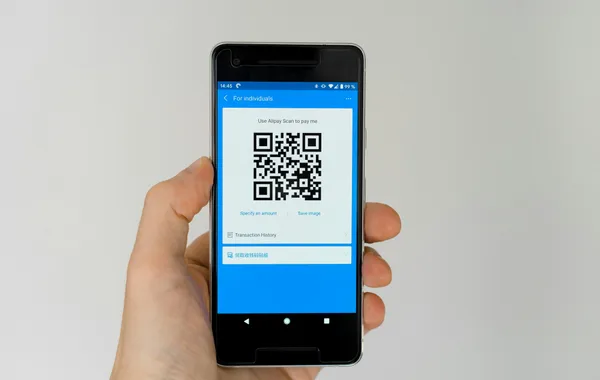
- Pay with the simplest local option. A linked Alipay metro QR works widely; some cities also support contactless foreign cards at the gate.
- Read the exit letter. The right exit can save more time than the right train, especially around stations, museums and shopping districts.
Fares are low, but the main advantage is certainty. Set up mobile payment before you fly, then use taxis only for the final awkward mile.
05DiDi and taxis
For door-to-door trips, DiDi is the easiest visitor option because the destination is pinned on a map before the ride begins.
- Use it for luggage and late returns. It is usually worth the extra cost after a rail arrival, in rain, or when the metro exit is far from the hotel.
- Keep the route record. App-based rides reduce address confusion and give you a receipt if anything needs checking later.
- Street taxis still exist. They are fine from official queues, but app rides are calmer when you do not speak Chinese.
- For stop-heavy days, charter once. A pre-booked car can beat repeated hails for airport luggage runs or suburban sightseeing; Klook lists English-bookable charters.
Foreign and international driving licences are not valid for ordinary China car rental. Between high-speed rail, metro and DiDi, self-driving rarely helps a normal visitor route. For the exceptions, see tourist driving permits and cycle touring into China.
06Maps and navigation
Transport choices depend on street-level accuracy. Use Amap or Apple Maps inside mainland China for live routing, metro exits, bus arrivals and station approaches.
- Plan the last mile. A rail ticket gets you to the station; the map decides whether metro, DiDi or walking is sane from there.
- Search with landmarks. Airports, rail stations, hotel names and major attractions are easier than street addresses for visitors.
- Use city pages as launch points. Our city guides include Amap shortcuts so you can open the right area without typing Chinese.
- Keep Google for research, not routing. See the Google access guide for the blocker and coordinate-offset details.
Install your map app before arrival, then test hotel, station and first-day sight searches while your normal internet setup still works.
07Edge cases
A few China transport decisions fall outside the normal rail-metro-DiDi pattern. Treat these as exceptions rather than default tactics.
- Remote scenic areas: book a day charter or local transfer when the last public bus is unreliable.
- Overnight slow trains: useful for budget travellers, but less forgiving if you are carrying large bags or arriving early.
- Airport hotels: worth it before international departures, especially when the city airport sits far from the centre.
- Self-driving: plan only after reading the licence rules, deposit requirements and city restrictions.
08Frequently asked questions
What is the easiest way to travel between Chinese cities?
For most first-trip routes, high-speed rail is easiest when the rail time is under about five hours. It runs city-centre to city-centre, avoids airport transfers, and is usually simpler than a domestic flight.
When should I fly instead of taking the train in China?
Fly when a rail leg would consume most of a waking day, when you are crossing regions diagonally, or when the final destination is much closer to an airport than a high-speed rail station.
What should I use inside Chinese cities?
Use the metro for predictable cross-city journeys, DiDi for door-to-door trips or luggage, and walking for old-city cores. Amap or Apple Maps are usually better than Google Maps for street-level routing.
Do I need to rent a car in China?
Almost never for a normal visitor. Foreign licences and IDPs are not enough for ordinary car rental, and the combination of rail, metro and DiDi covers the practical trip without driving.
What transport apps should I prepare before arrival?
Set up Alipay for QR payments, DiDi for ride-hailing, Amap or Apple Maps for navigation, and a train-booking route if your itinerary has intercity rail legs.
Do I need a visa or special permit to travel between Chinese cities?
No for ordinary mainland tourism after entry, with Tibet as the major exception because it requires a separate Tibet Travel Permit and guided arrangements. Some border or sensitive regions can involve local checks, so plan those separately.
This mode-choice guide was last reviewed on 8 July 2026. Confirm live departures, ride prices and metro payment rules before travel.
- RAILChina Railway schedules checked only for route-choice context; the ticketing workflow lives in the dedicated train-booking guide.
- CITYMetro operators, DiDi, Amap and Apple Maps app checks for within-city movement and last-mile routing.
- DESKCathayGuide editorial team — itinerary reviews and station-transfer testing.
Affiliate disclosure — some transport links may earn us a commission, at no cost to you. It does not change the mode-choice rules above. Read the transport disclosure.