
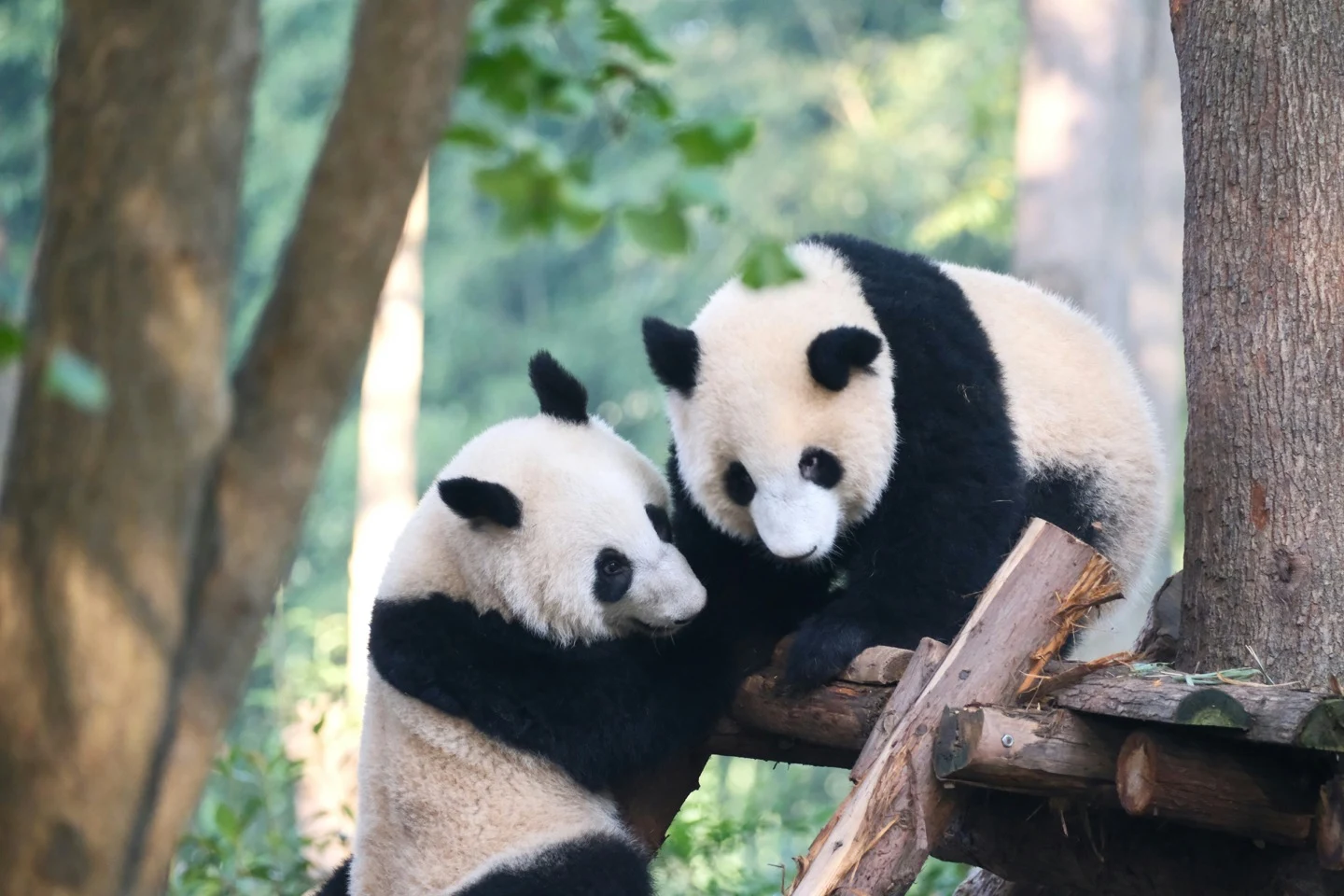
Chengdu runs on pandas, tea and heat.
Chengdu is China's most relaxed major city — the capital of Sichuan, home of the giant panda, and the country's undisputed food obsession. It runs on teahouses, hotpot and a slower pace, and it's the gateway to some of China's most spectacular mountain scenery. Two or three days cover the pandas, the old lanes and a Leshan day trip comfortably.
The panda-morning rule
| Time | Best use | Why |
|---|---|---|
| 07:30–10:00 | Panda base | Feeding time is when pandas are active; later they mostly sleep. |
| 11:00–14:00 | Wenshu, Kuanzhai or Jinli | Shift indoors or into shaded lanes as the day warms up. |
| 14:00–17:00 | People's Park teahouse | Chengdu makes more sense when you slow down for an afternoon. |
| Evening | Hotpot or Sichuan opera | Dinner is the event here; do not over-schedule the night. |
Pandas, food & teahouses
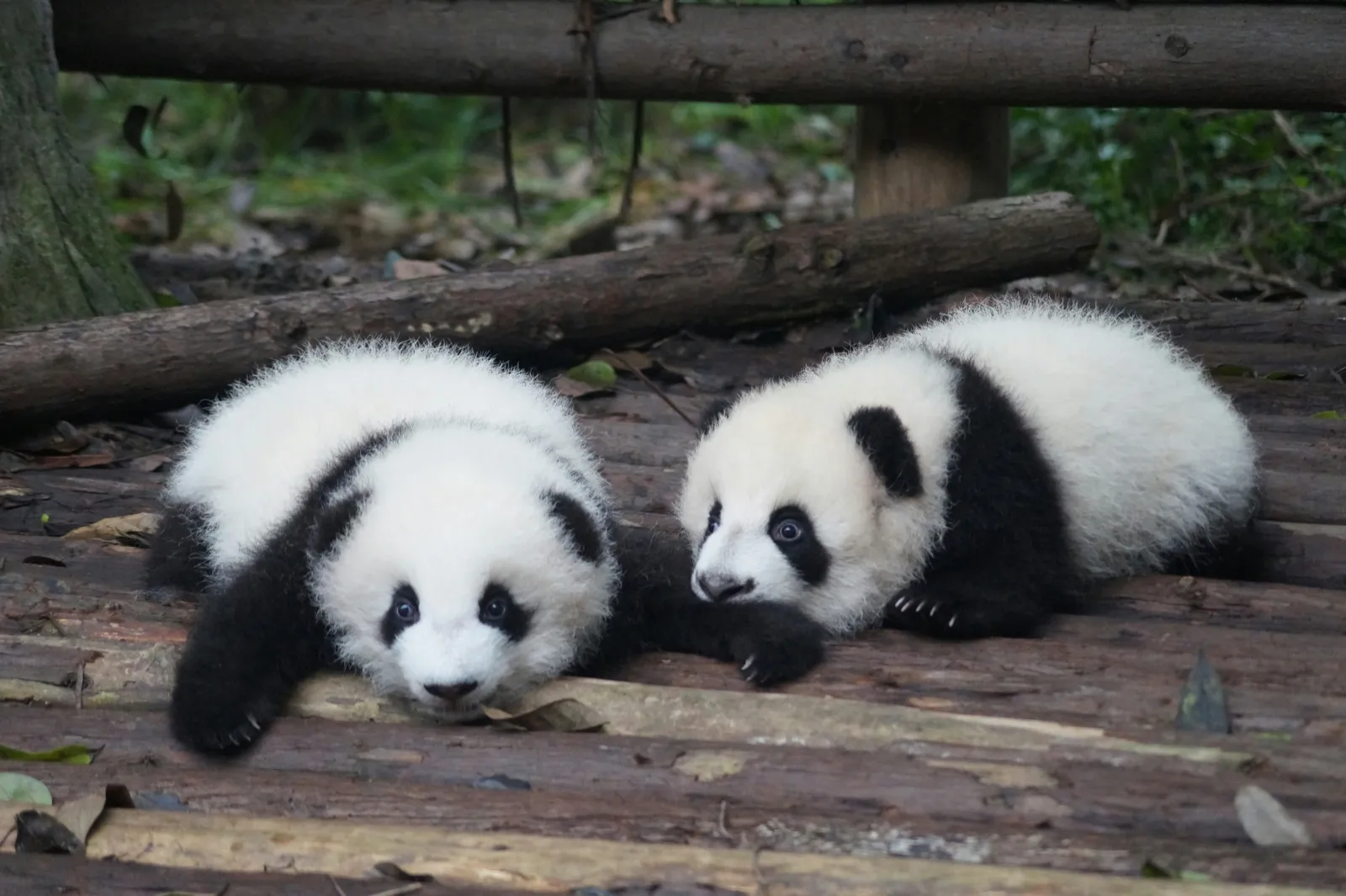
Giant Panda Breeding Base
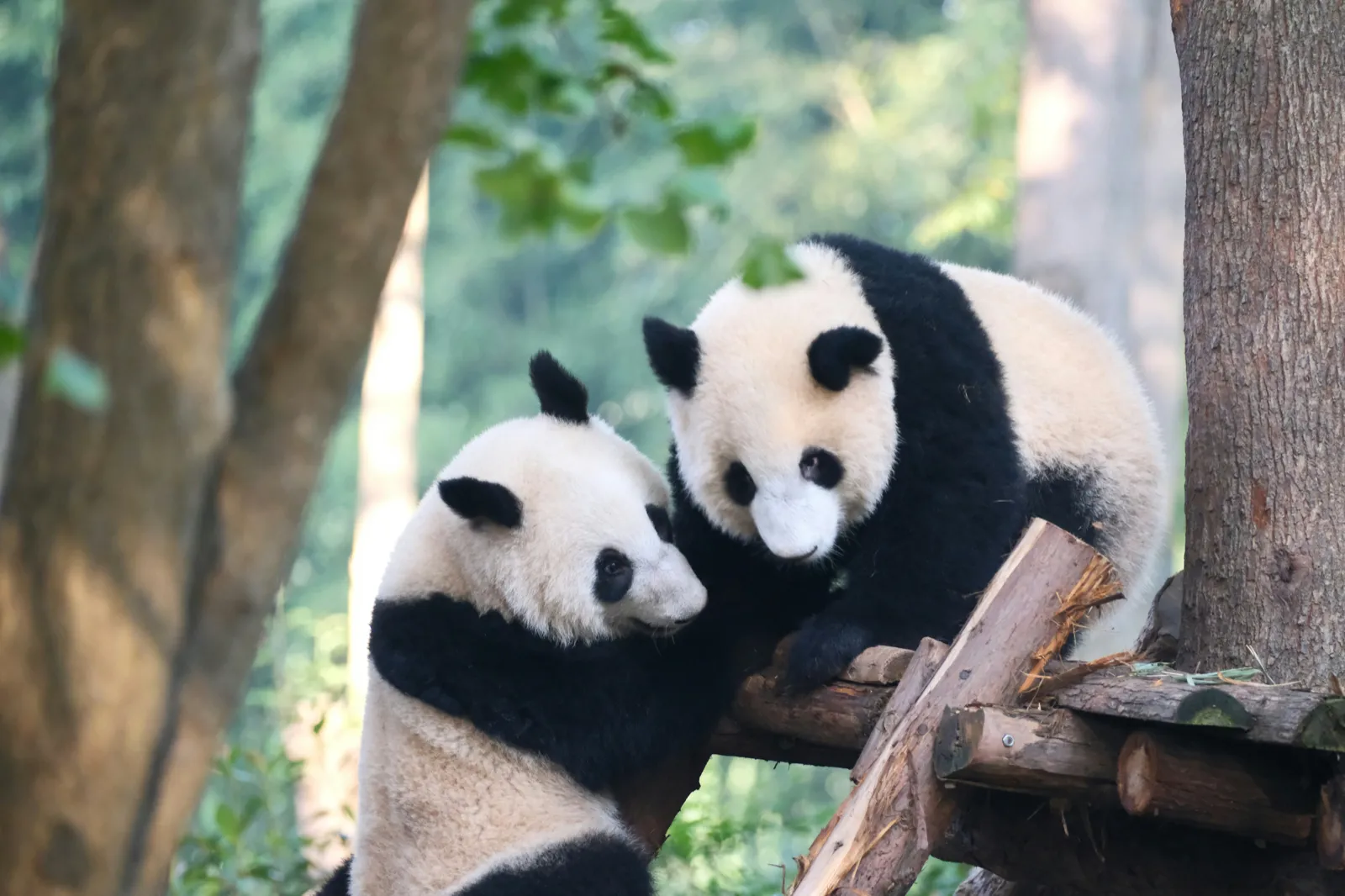
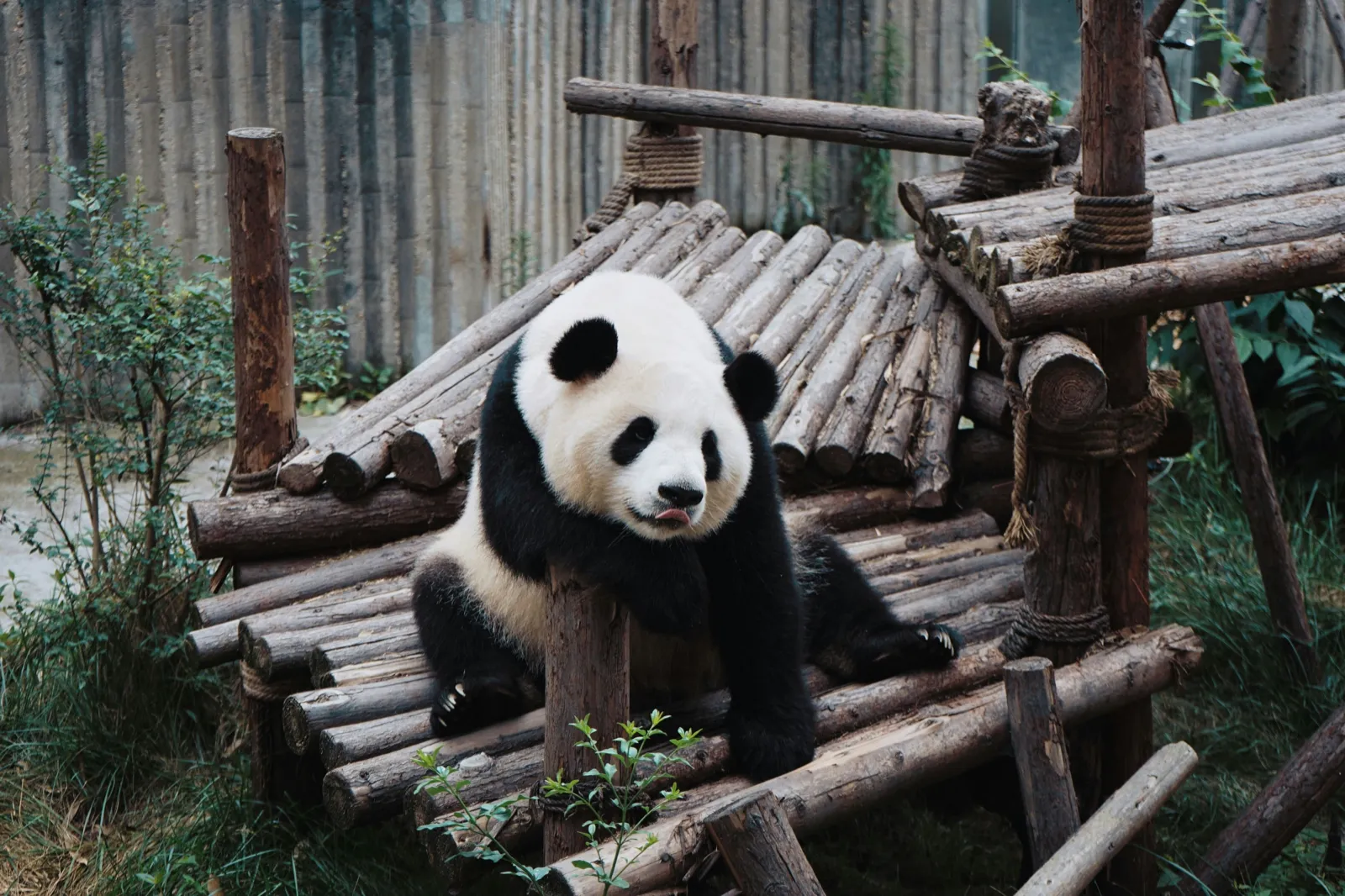
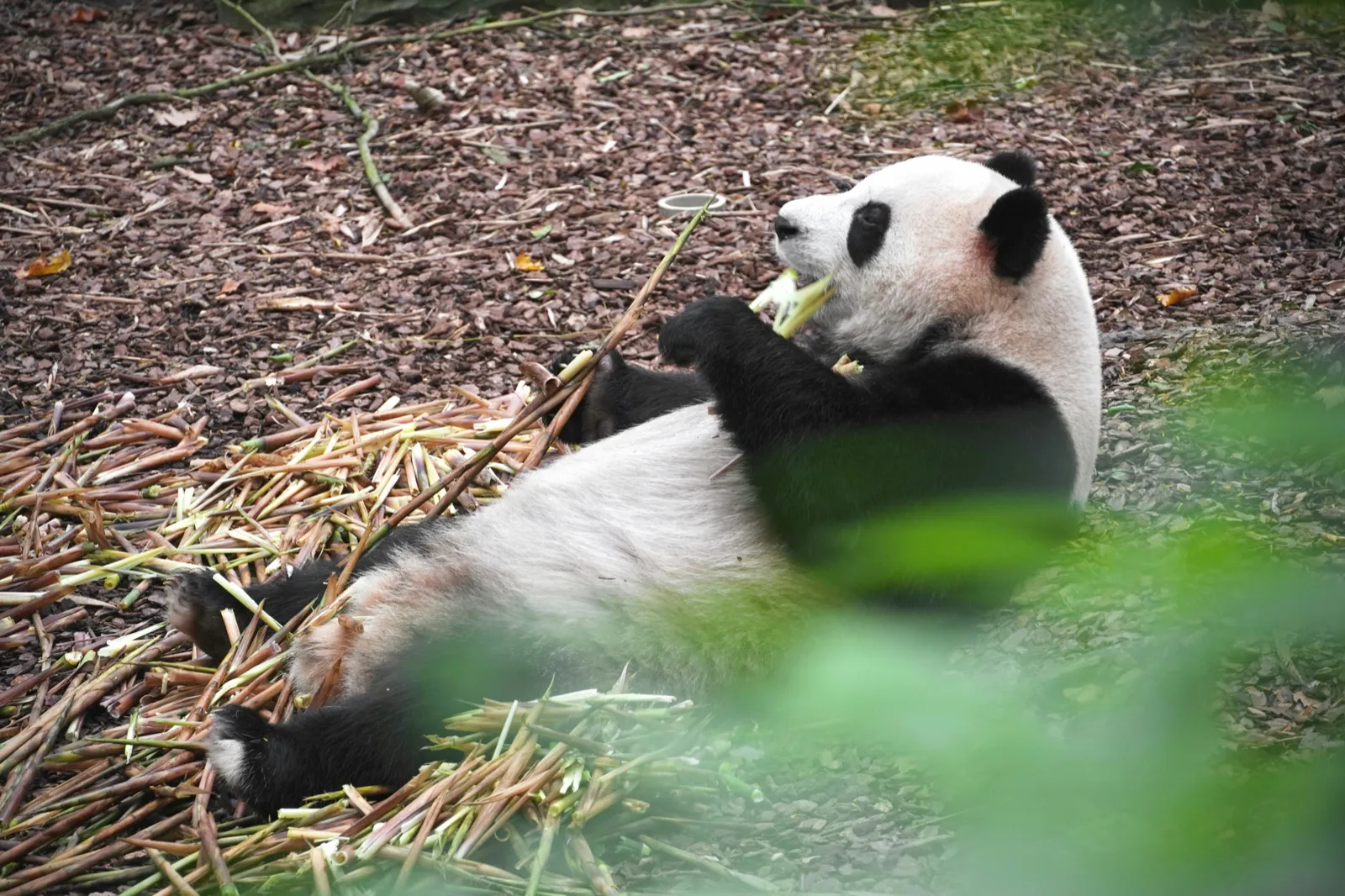
The reason most people come. Go at opening (around 7:30am) when the pandas are fed and active — by midday they're asleep. Allow a half-day and book a panda base ticket ahead in peak season.
Sichuan hotpot
The city's signature meal — a bubbling, numbing-spicy broth you cook at the table. Ask for a mild (or split) pot if you're not used to the heat of Sichuan peppercorns.
People's Park & teahouses
Where Chengdu slows down: bamboo chairs, endless tea refills and even a traditional ear-cleaning. The most authentic afternoon in the city.
Kuanzhai & Jinli alleys
Restored old lanes of Qing-dynasty courtyards, snacks and crafts. Touristy but atmospheric, especially in the evening when the lanterns come on.
Leshan Giant Buddha
A day trip to the world's largest stone Buddha, carved into a riverside cliff. Around 1.5 hours by high-speed rail; combine with Mount Emei if you have an extra day — book a Leshan & Emei day tour.
Wenshu Monastery
Chengdu's best-preserved Buddhist temple, with a calm tea garden and a renowned vegetarian restaurant. A peaceful counterpoint to the hotpot and crowds.
Sichuan opera & face-changing
An evening of bian lian — the lightning-fast mask-changing act unique to Sichuan — plus tea, fire-spitting and shadow play. The classic Chengdu night out. Book a face-changing show ticket.
Best Chengdu bases
The best base: on the metro, walkable to shopping and the old lanes, and packed with international chain hotels. Where we'd stay first.
More atmospheric and central-historic, near the Wide and Narrow Alleys and People's Park. Good boutique options.
A few hotels sit close to the panda base in the north — handy only if pandas are your sole priority, as it's far from everything else.
For Chengdu, morning logistics matter: you want an easy taxi or metro start for the panda base, then food and teahouses nearby at night. Chunxi Road and Tianfu Square are the smoothest first-time bases. Search Chengdu hotels on Trip.com → Smaller courtyard-style stays should confirm passport registration; the Stay guide explains the hotel paperwork.
The panda base sits north of town and Leshan is a proper out-of-city excursion, so a chartered car makes sense when you want one simple day rather than metro, rail and taxi handoffs. If you are arriving through Tianfu, open the TFU arrival guide before you fly. Book a Chengdu day charter, then keep DiDi for city errands.
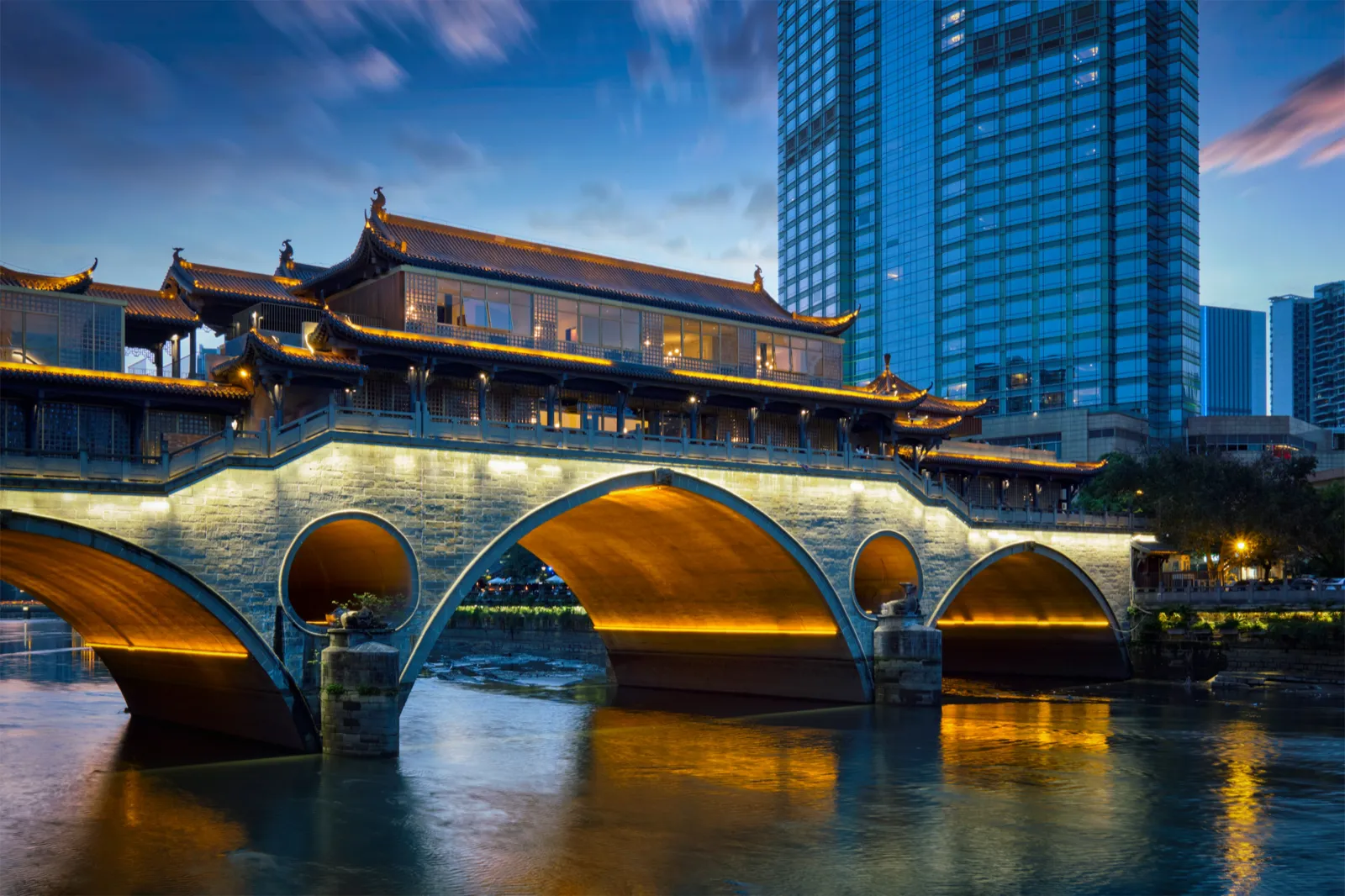
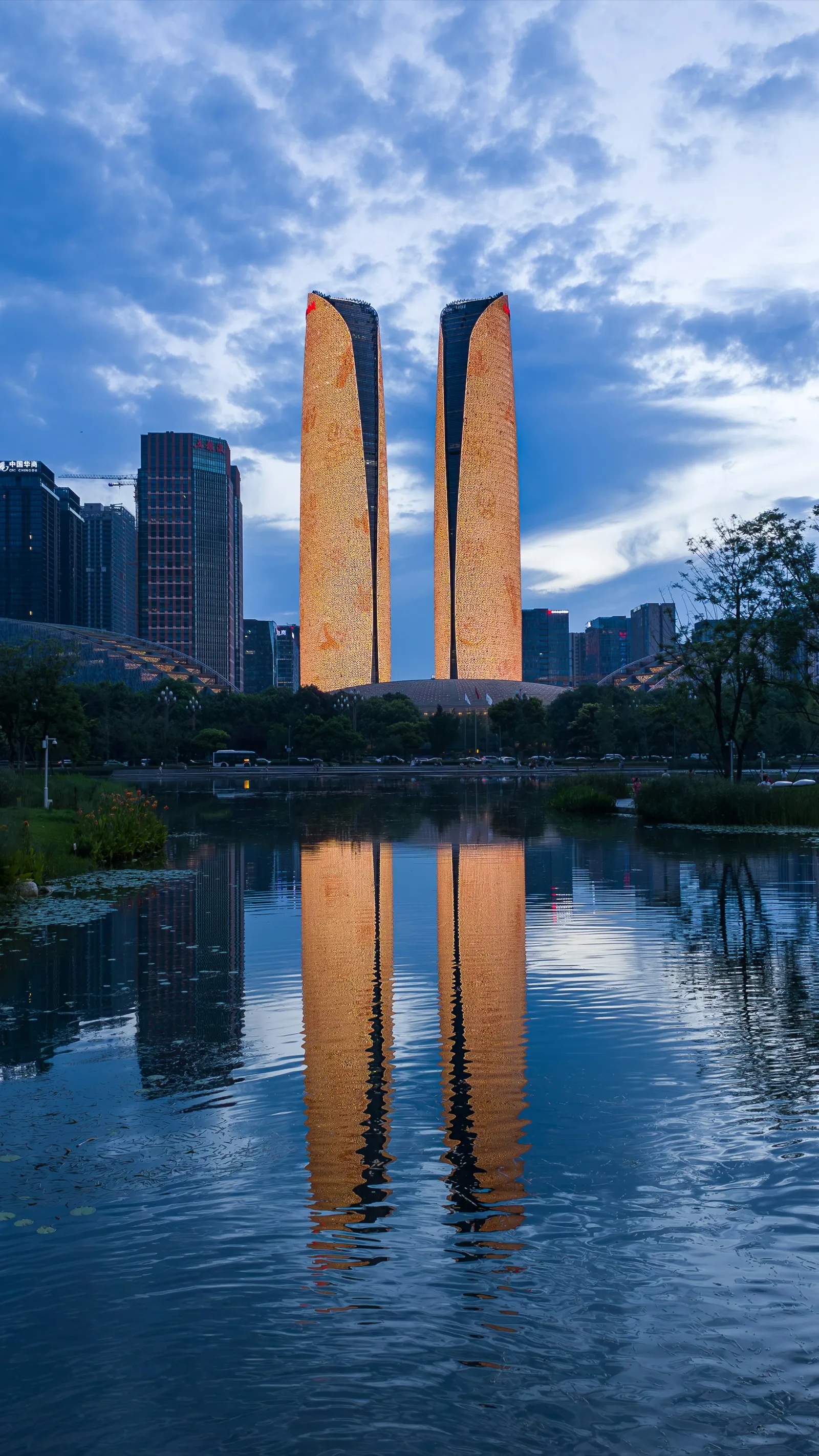
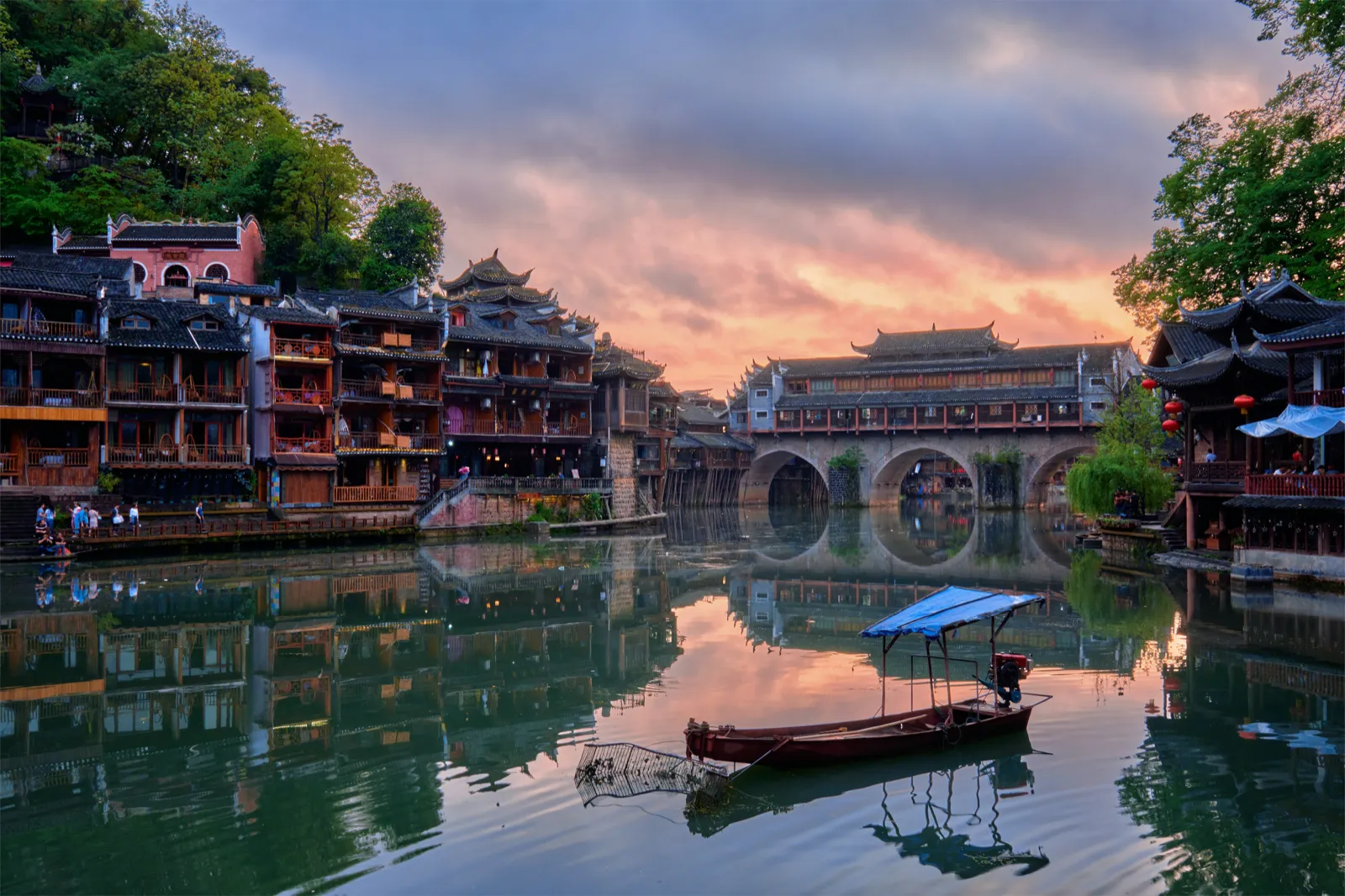
Chengdu in pictures.
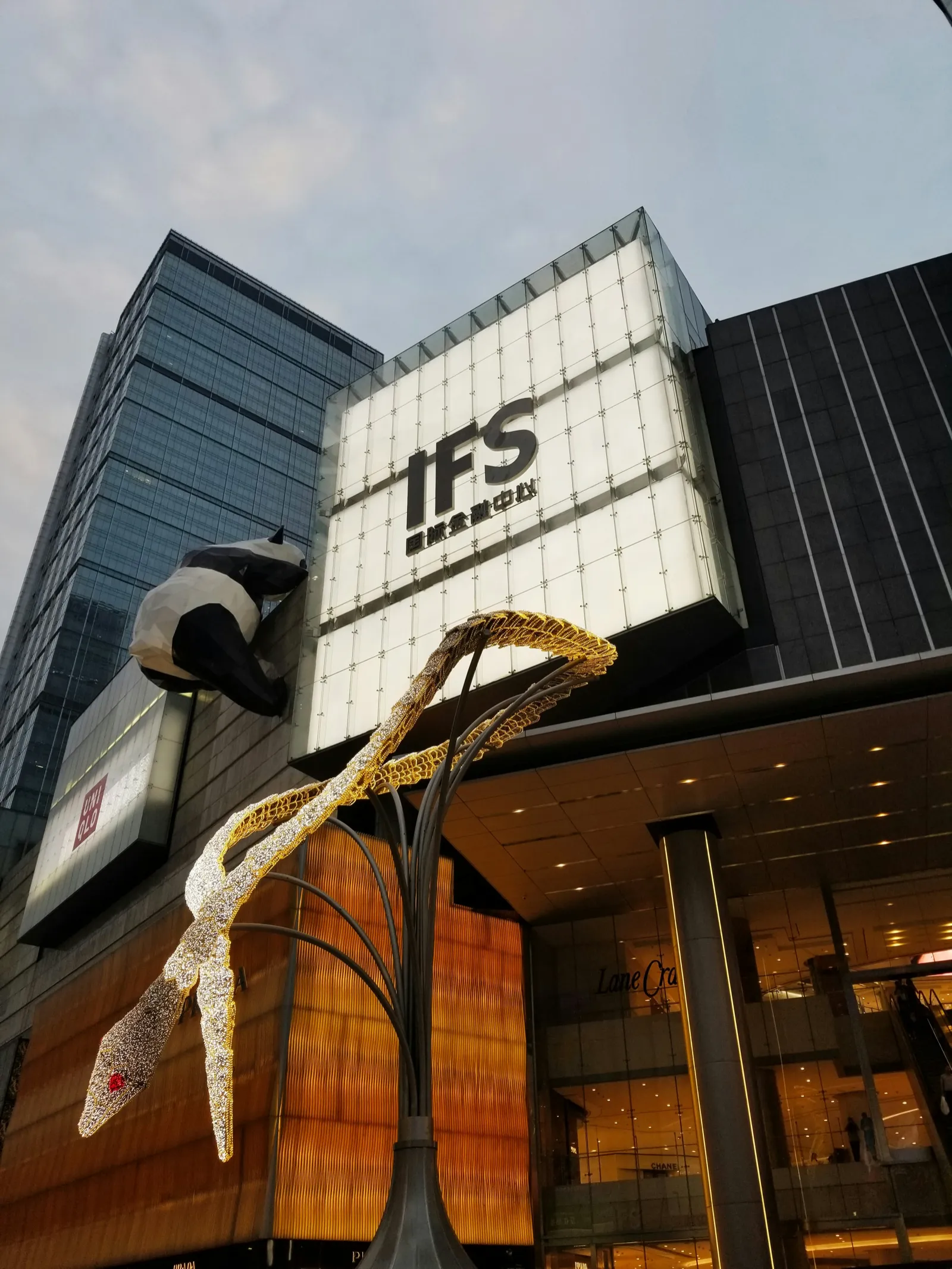
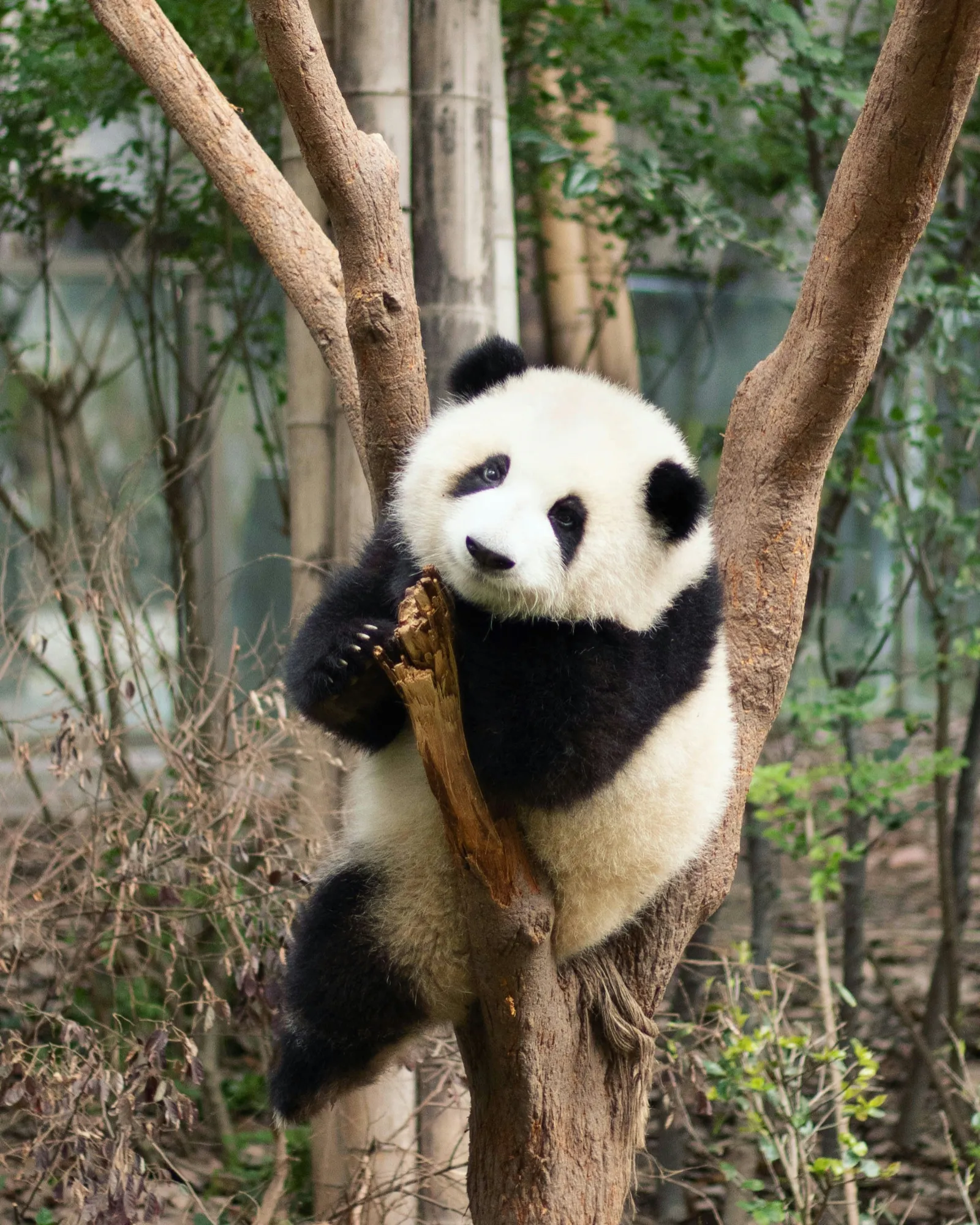
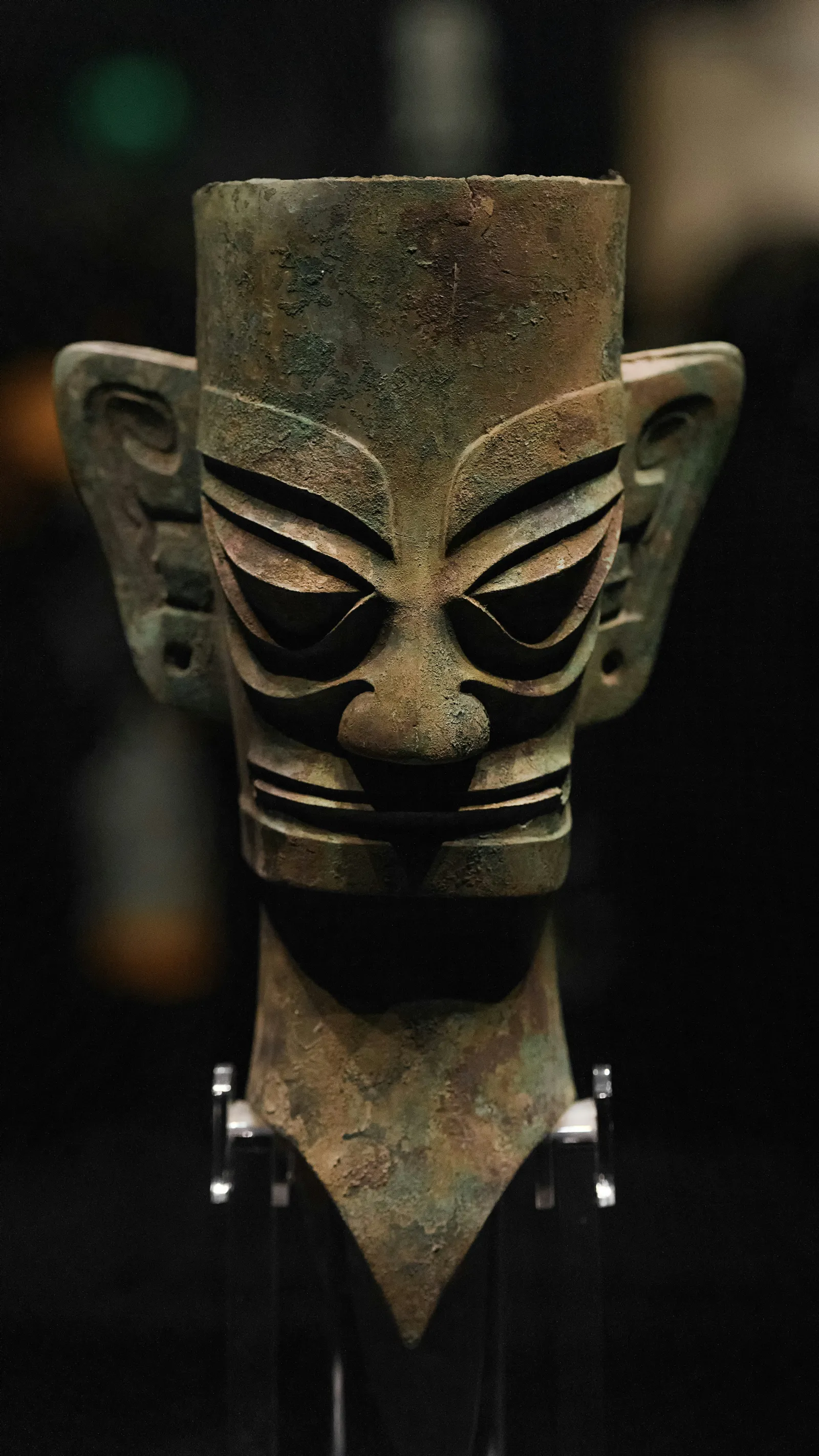
Map point for Chengdu.
OpenStreetMap view. Amap handles panda-base and teahouse routing better than foreign maps; keep DiDi ready for early-morning panda starts. DiDi guide.
Weather window for Chengdu.
Spring and early autumn are the driest, mildest stretches in an otherwise cloudy, humid basin — the most comfortable time for the panda base, teahouses and day trips to Leshan.
Heads-up: July and August feel hot and sticky, with rain that can wash out Leshan and mountain trips. Chengdu is famously overcast year-round, so blue-sky days are a bonus in any season; winters are damp and chilly but rarely freezing.
Holiday crowd check
Panda-base mornings, Leshan day trips and hotpot waits all get tighter during holiday weeks.
Keep the panda morning on an ordinary weekday.
Chengdu answers
How should I structure a first Chengdu visit?
See the giant pandas at the Chengdu Research Base of Giant Panda Breeding (go at opening time when they’re most active), eat Sichuan hotpot and mapo tofu, relax with tea and an ear-cleaning in People’s Park, wander the restored Jinli and Kuanzhai Alley lanes, and make Leshan Giant Buddha your out-of-town day. Many visitors also use Chengdu as the gateway to Jiuzhaigou and the Tibetan foothills.
Is two days enough for pandas and Chengdu food?
Two days is enough for the pandas, the old lanes, a hotpot dinner and a teahouse afternoon. Add a third day for the Leshan Giant Buddha day trip, or longer if you plan to head into the mountains at Jiuzhaigou or Mount Emei.
When is the best time to see the pandas in Chengdu?
Visit the panda base right at opening (around 7:30–8:00am), when the pandas are fed and most active. They tend to sleep through the heat of the afternoon. Spring and autumn are the most comfortable seasons; summer is hot and humid, winter is grey but mild.
Where should I stay for panda-base mornings?
Base yourself around Chunxi Road or Tianfu Square for the metro, shopping and easy taxi access to the panda base. Kuanzhai Alley is more atmospheric, while Wuhou is better if food and teahouses matter more than retail convenience.
Why add Chengdu to a first China itinerary?
Yes — Chengdu is one of China’s most relaxed and food-obsessed cities, and the giant pandas are a genuine highlight you can’t see like this anywhere else. It also opens the door to spectacular Sichuan scenery. Two to three days fit neatly into a wider China itinerary.
Disclosure — panda tickets, Leshan tours and hotel links may pay a commission. We still build the Chengdu plan around the panda feeding window and food districts, not payouts. Editorial policy.